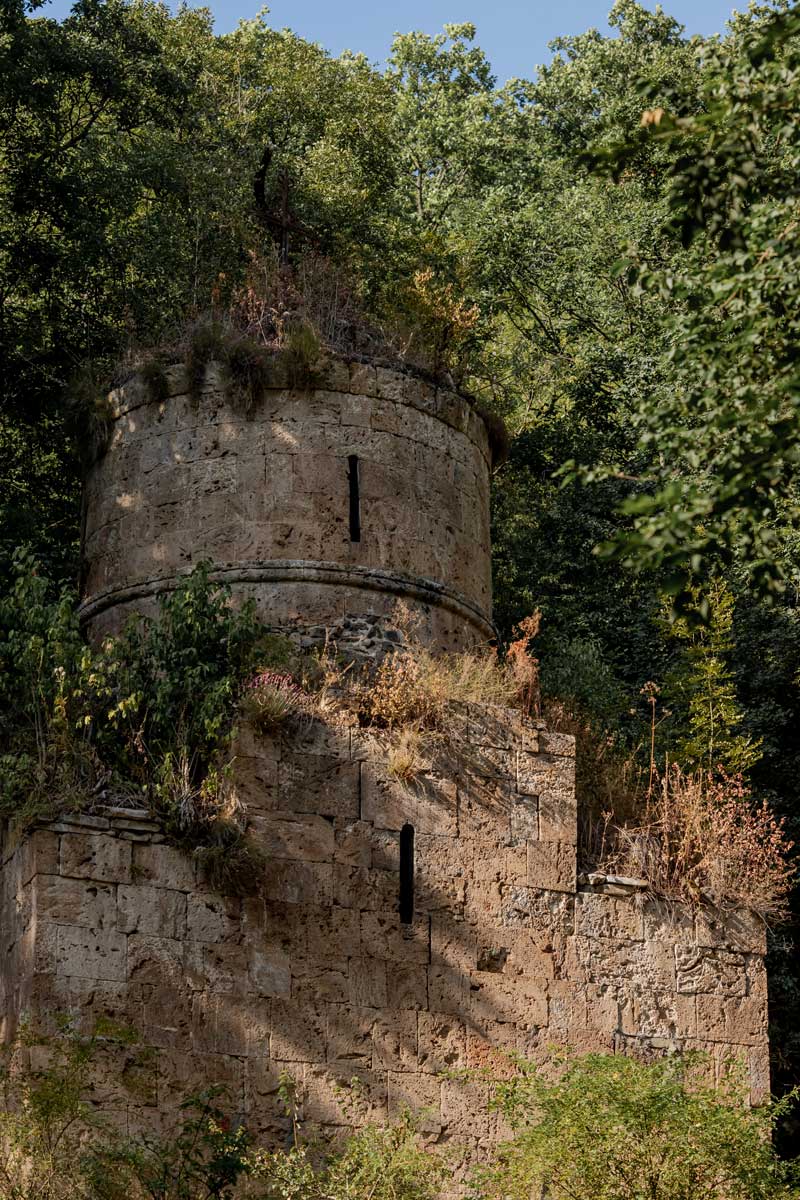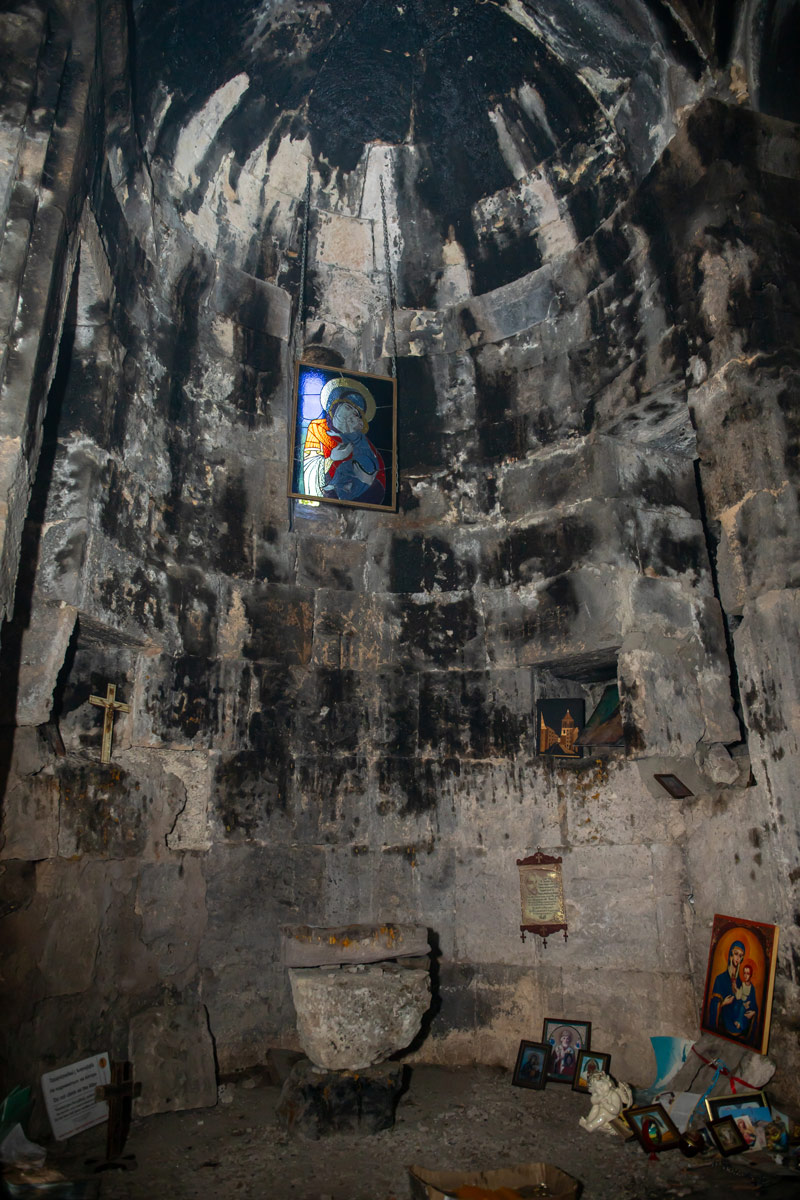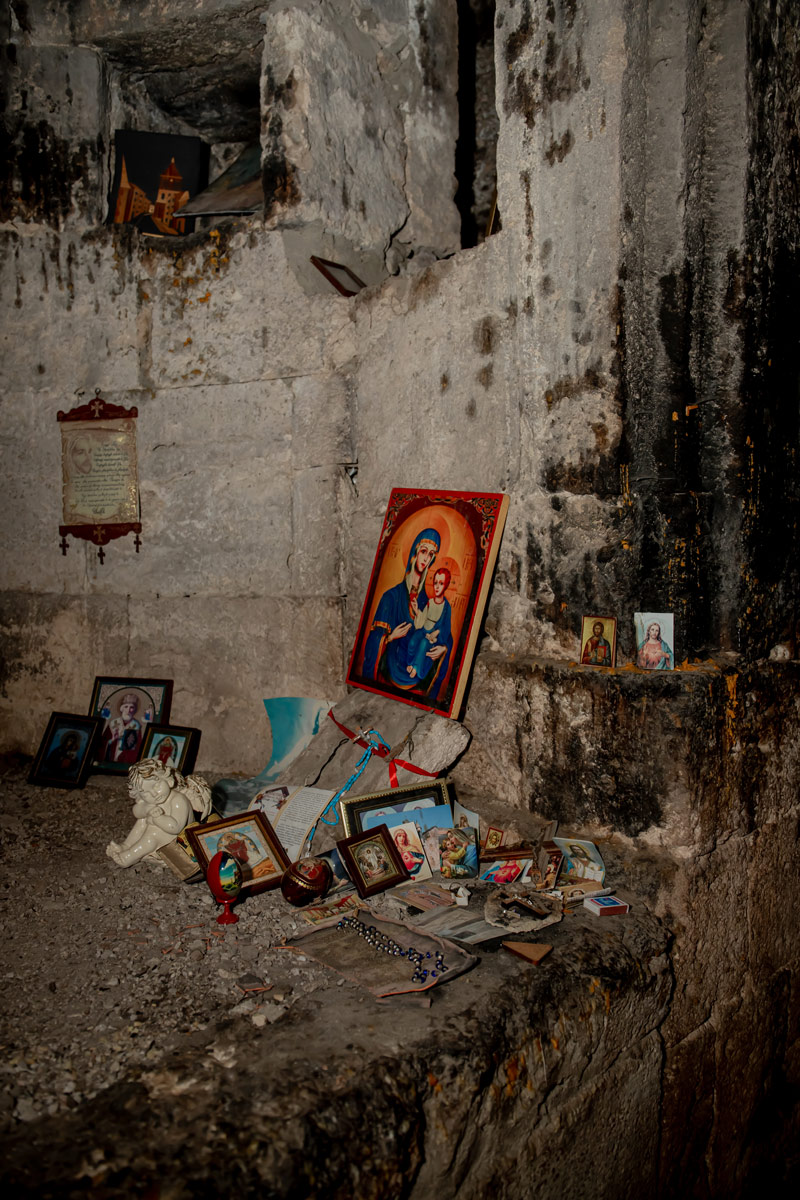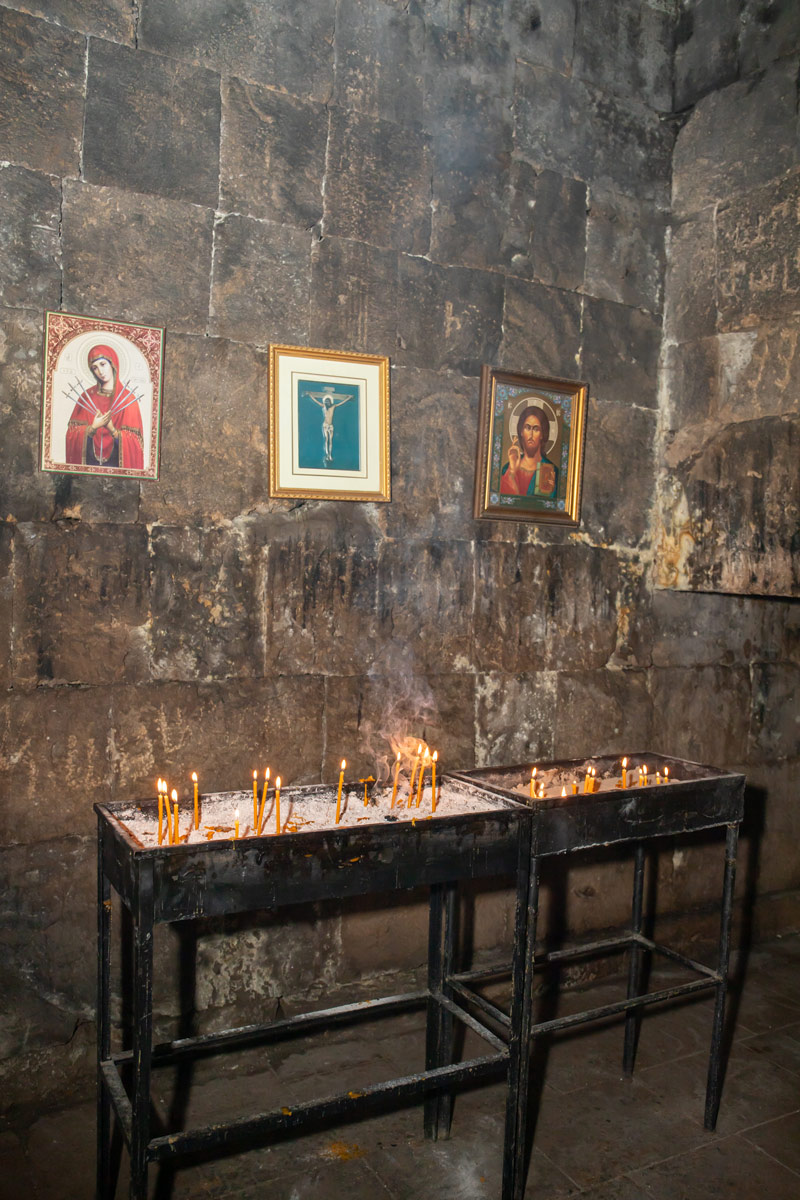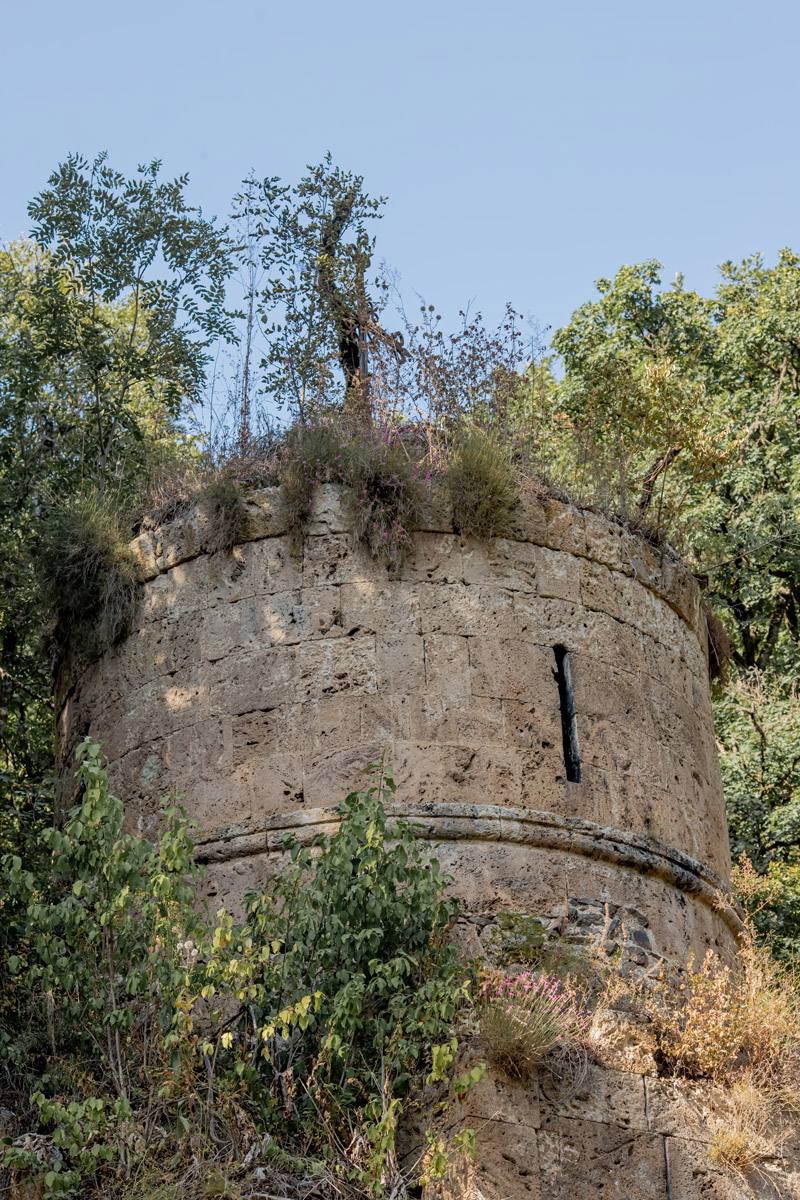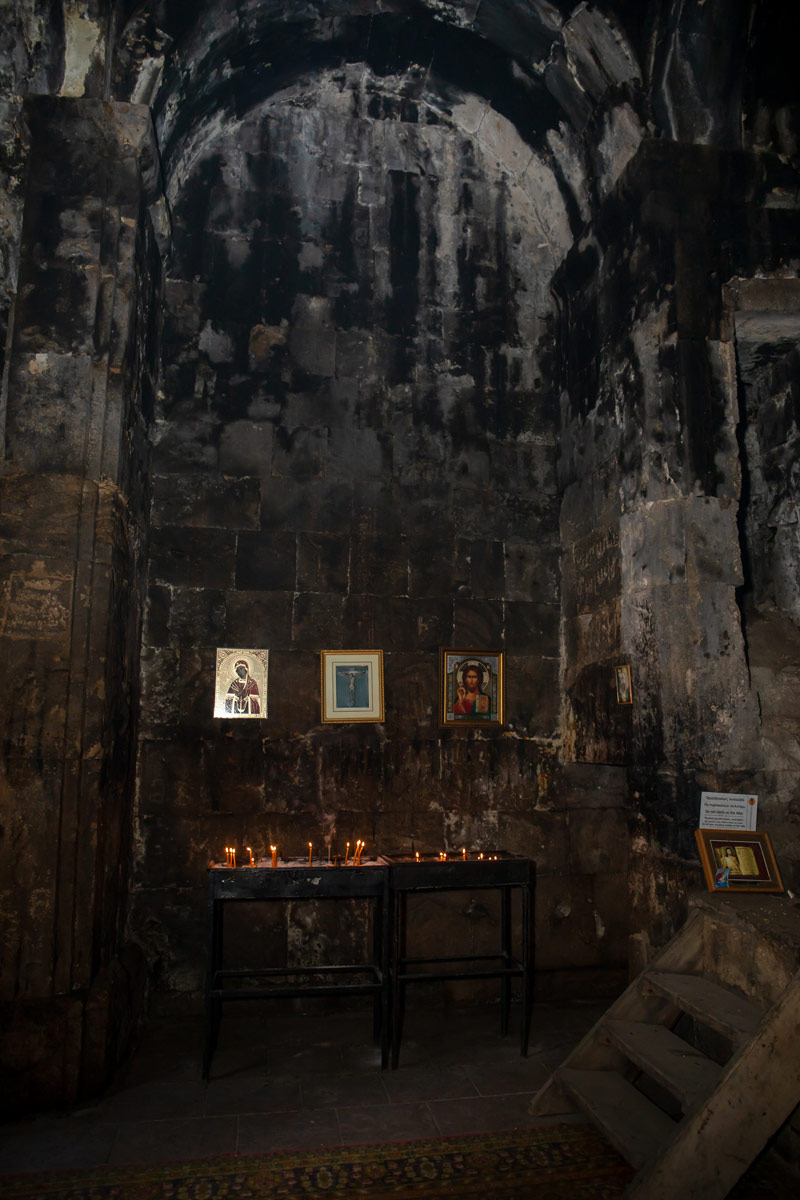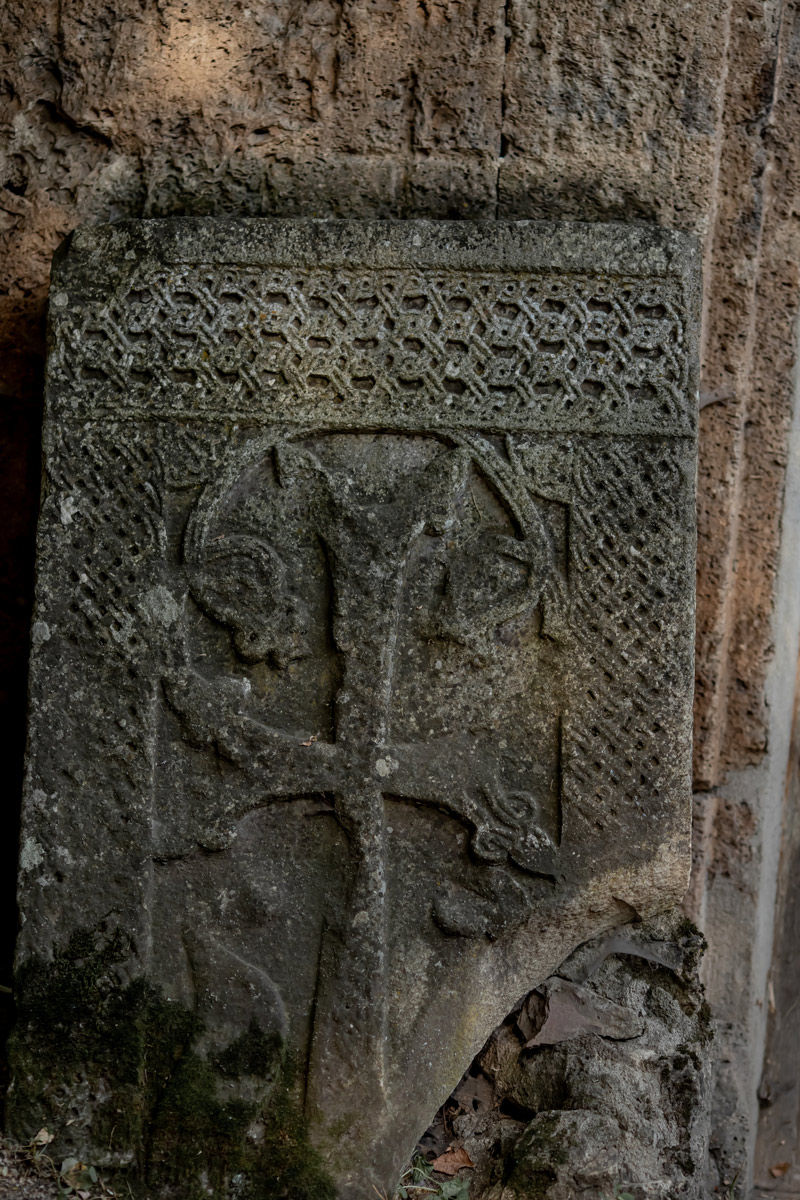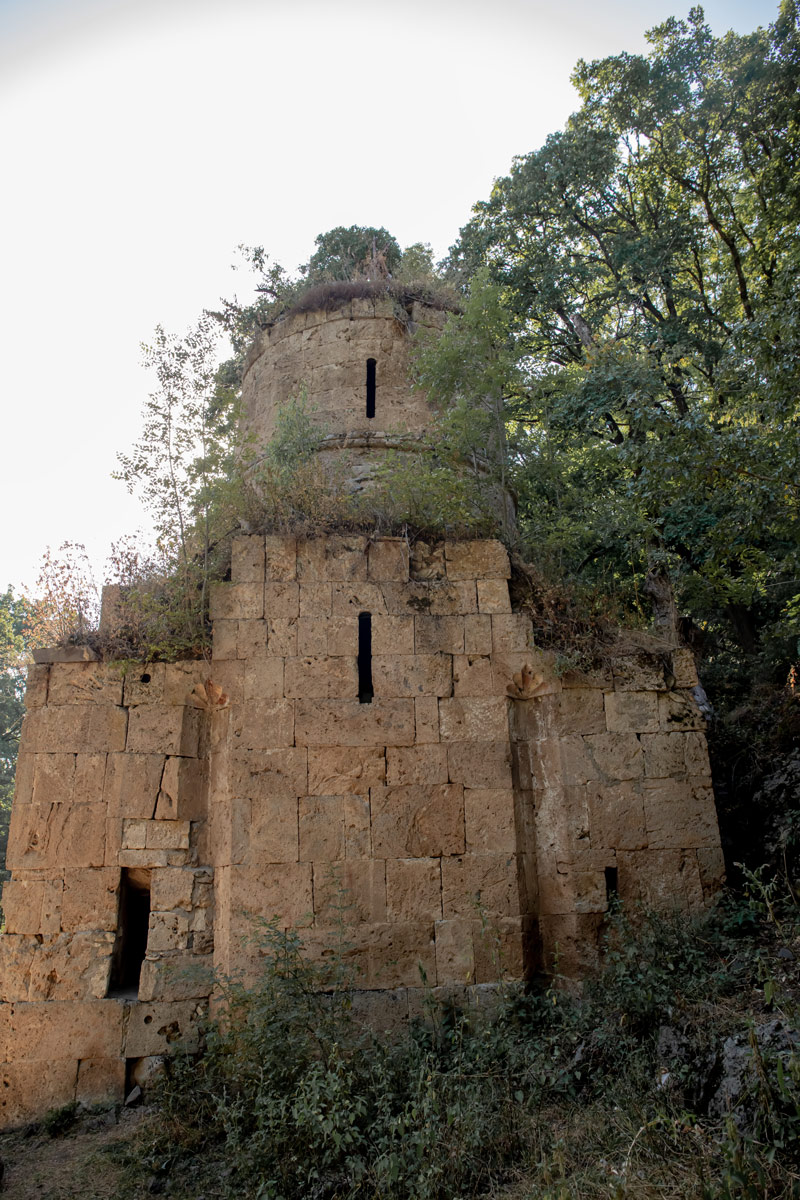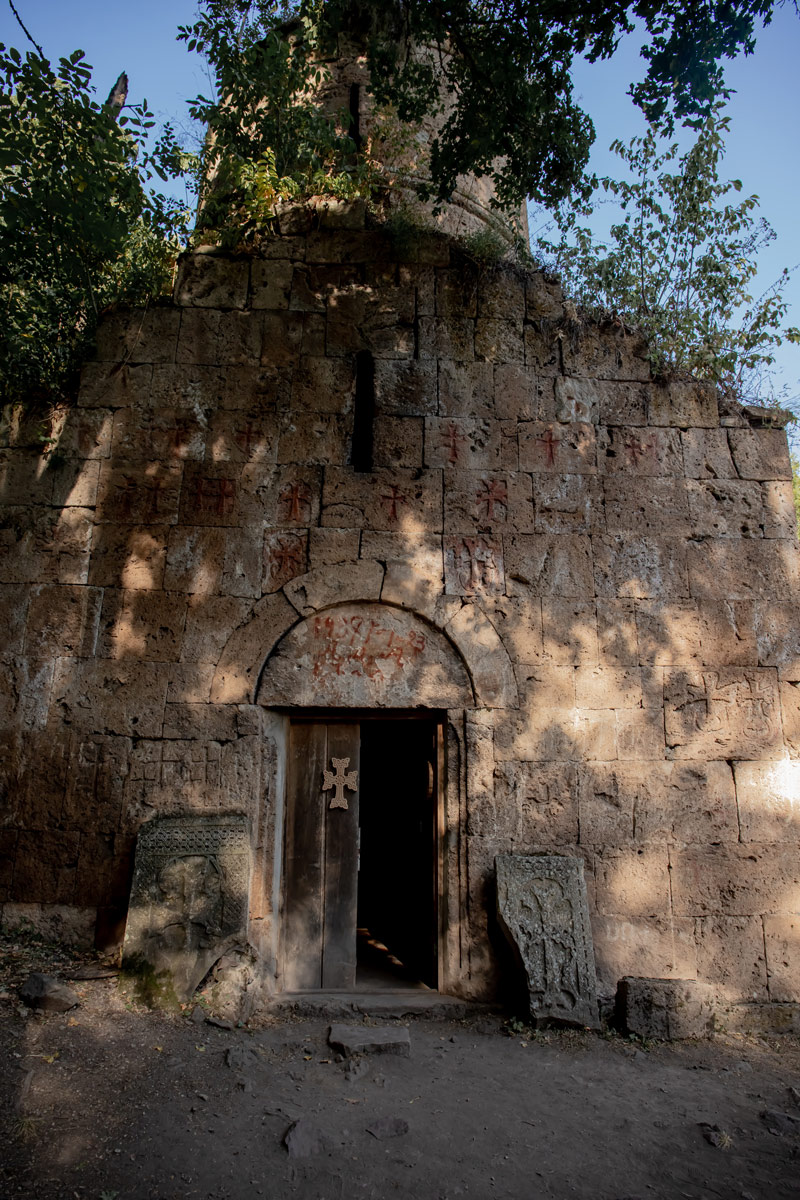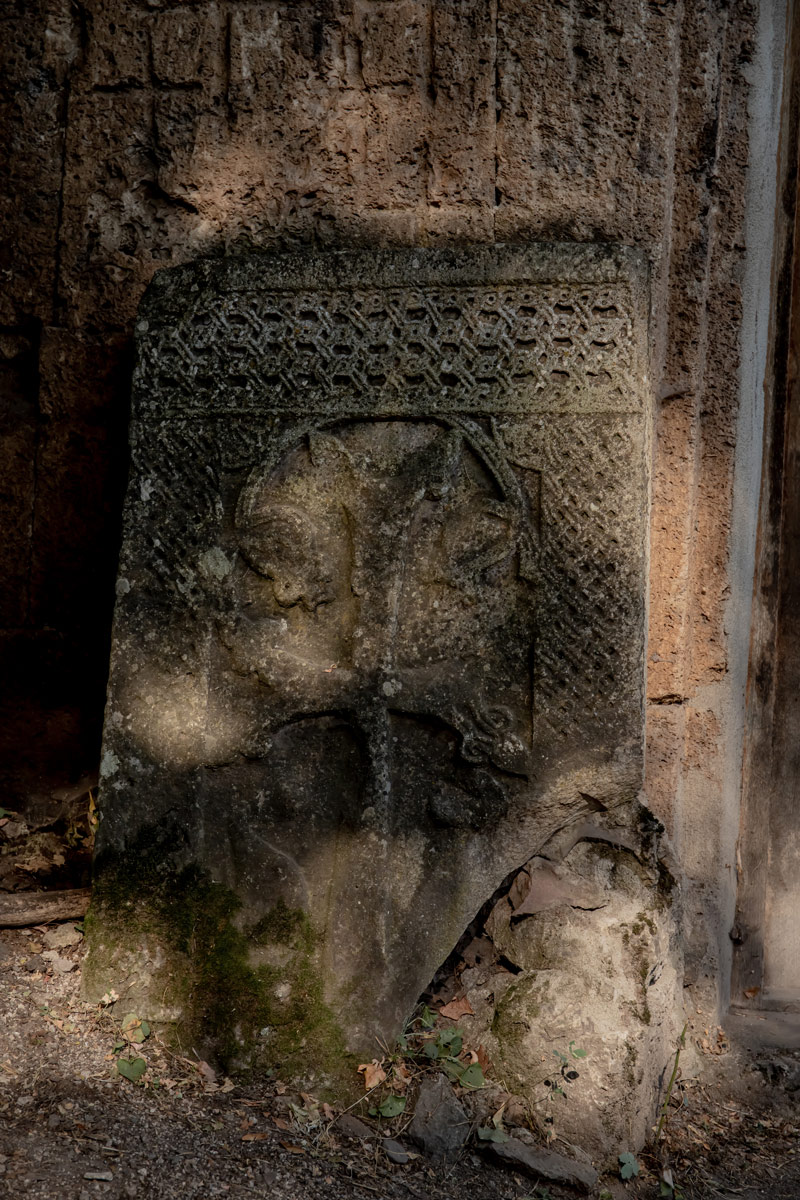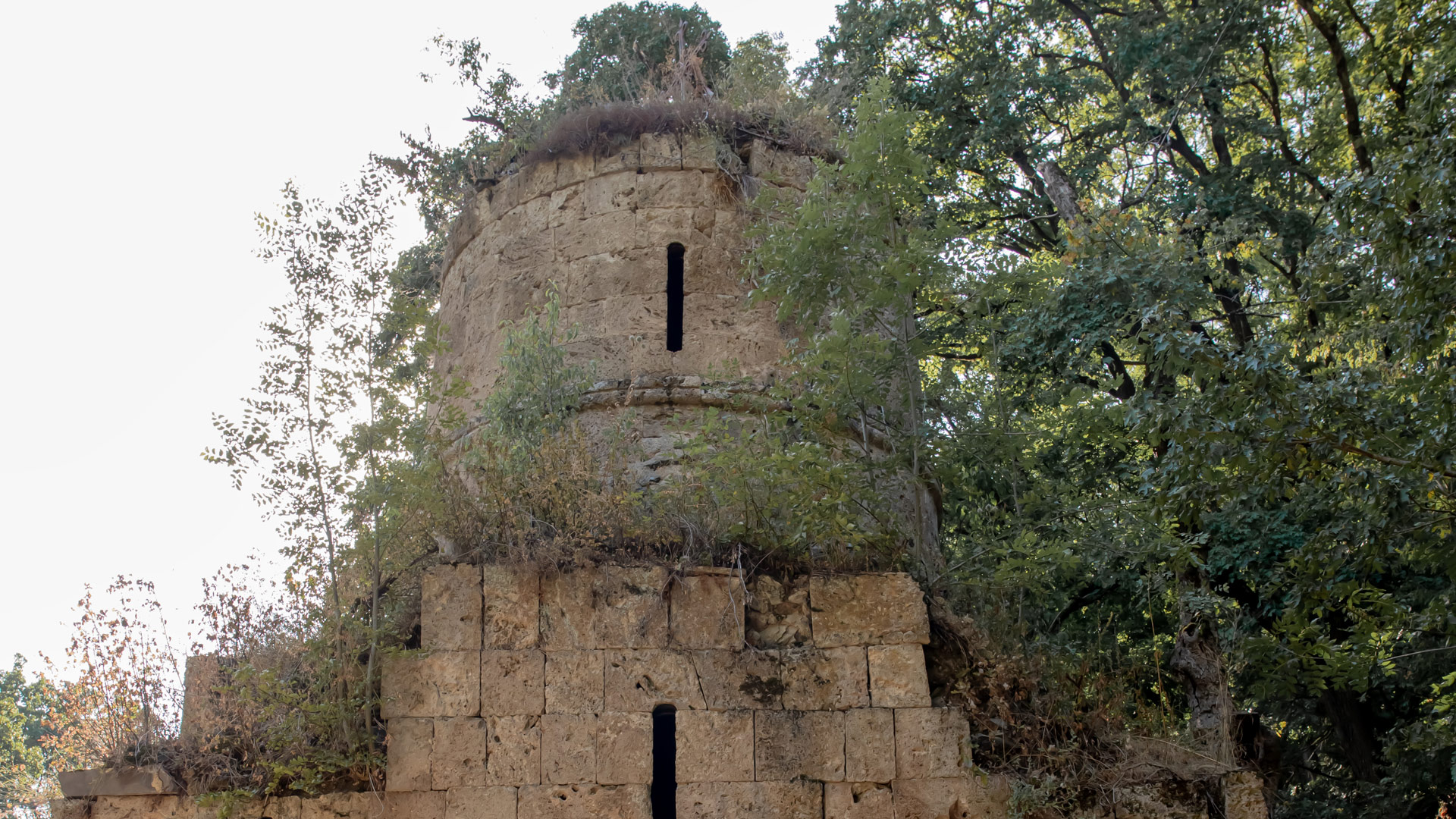
The Aghavnavank monastery complex is located in the village of the same name in Tavush region. The monastery is located 2.5 km northeast of the village. The monastery complex was built in the 12th-13th centuries, as evidenced by the inscriptions preserved on the vestries. Aghavnavank is also known as Sb. Astvatsatsin Anapat and Akhnabat, the latter being the name of the forest area of the Dilijan National Park where the monastery is located. This forest area is distinguished by the famous tree species called ken (redwood). Aghavnavank is a small central-domed monastery complex with twin vestries. It is built of yellowish and polished stone. In the distant past, a young man lived in these places who could cure various diseases with a plaster made from plants. The young man became everyone's favorite and was an expected guest in everyone's home. Many people sought his help, regardless of their social status. Once, the daughter of one of the local princes, the beautiful Nabat, fell seriously ill. No one could cure the girl, and the prince was advised to call a boy who made a poultice. The young man, collecting various herbs for several days, prepared a tincture, with the help of which the young girl soon got up. And the happy father ordered to bring a bag of gold for the young man, but the boy asked the prince for his daughter's hand in marriage. Seeing the boy's honesty and devotion, the prince agreed. However, Nabat was as beautiful as he was ambitious. He rejected the boy, saying that a poor healer was not worthy of him. The desperate boy left his property, relatives, and friends and wandered alone in the forests for days. The image of the girl he loved appeared in the waters of a stream, in the morning dew, and in the raindrops. Days and months pass… Once again, appearing on the top of the cliff, the young man looks down and sees the smiling image of the beautiful Nabat in the waters of the running stream. Nabat, raising her arms up, seems to be calling the boy to her arms. “Ah, Nabat!” the boy calls for the last time and throws himself off the cliff. According to legend, the name Akhnabat came from these words. It is also said that, having learned about the boy’s death, the villagers, who loved him immensely, decided to build a church in honor of the boy. It is no coincidence that the church, like the boy in love, is isolated in the forest, and from these words, monastery-desert, its current name arose: St. Astvatsatsin Anapat Church.