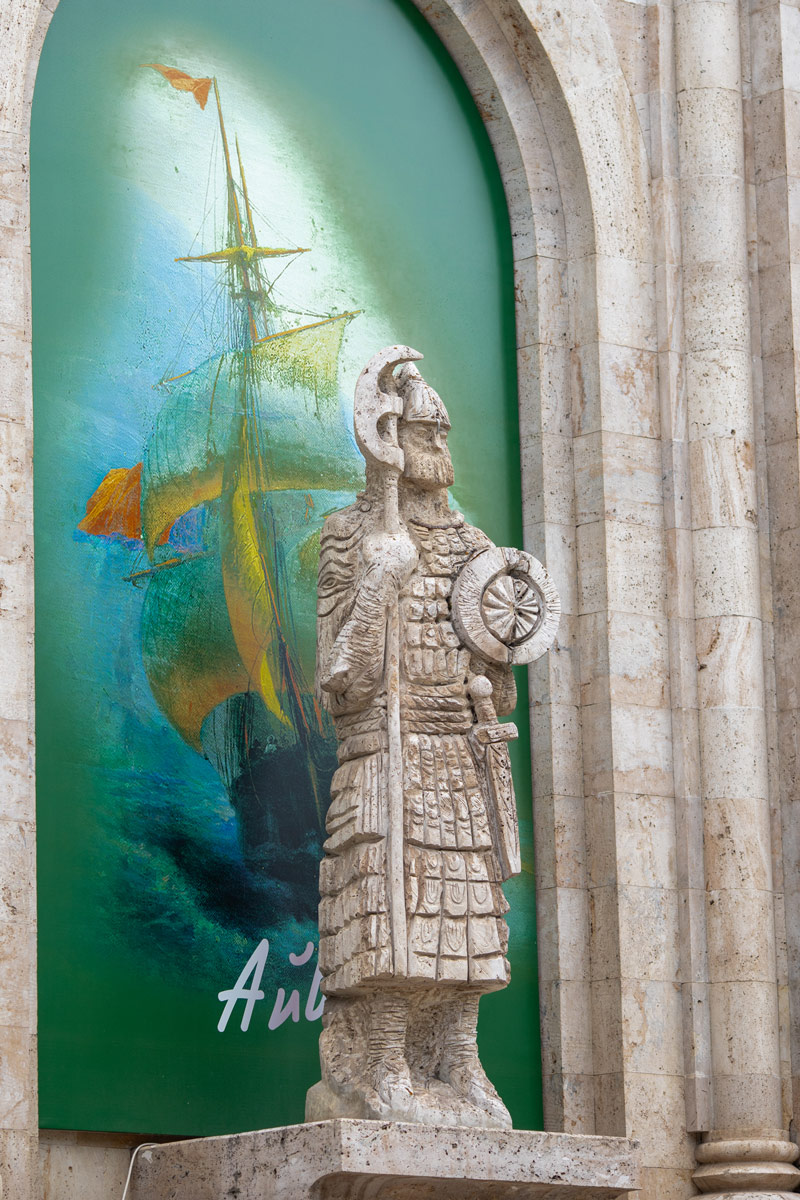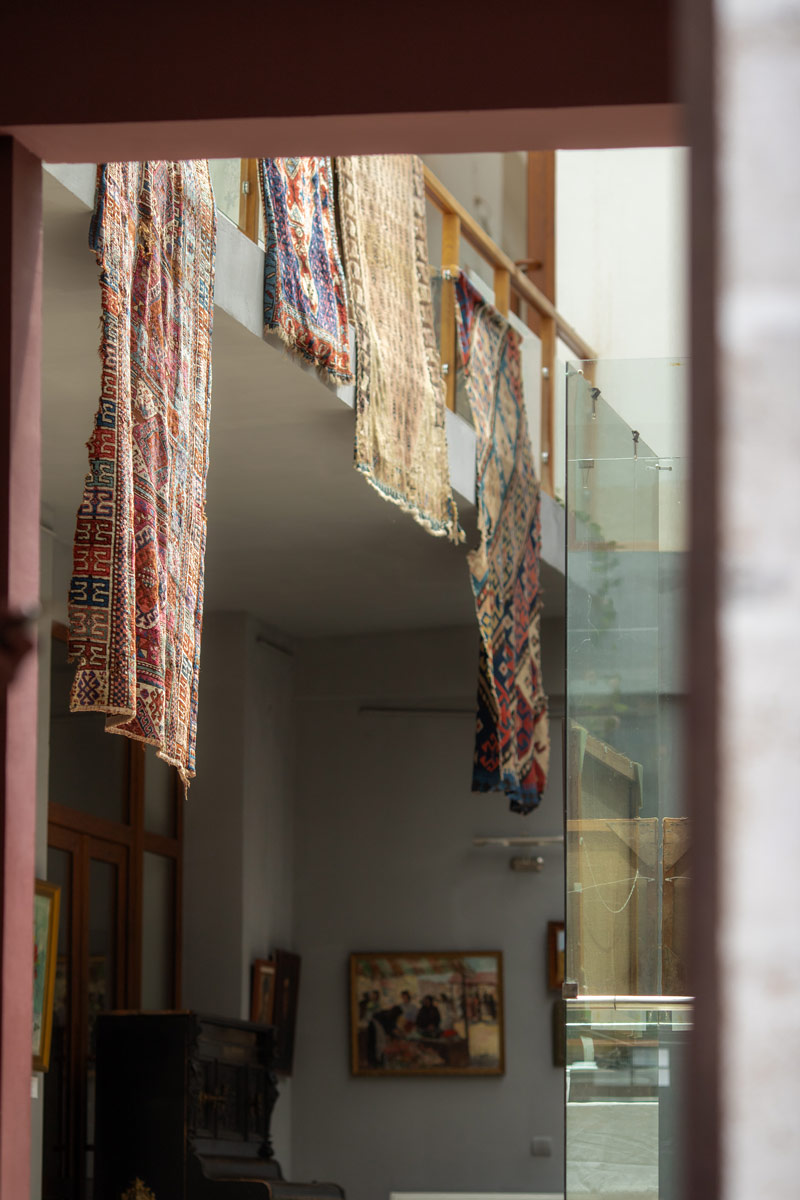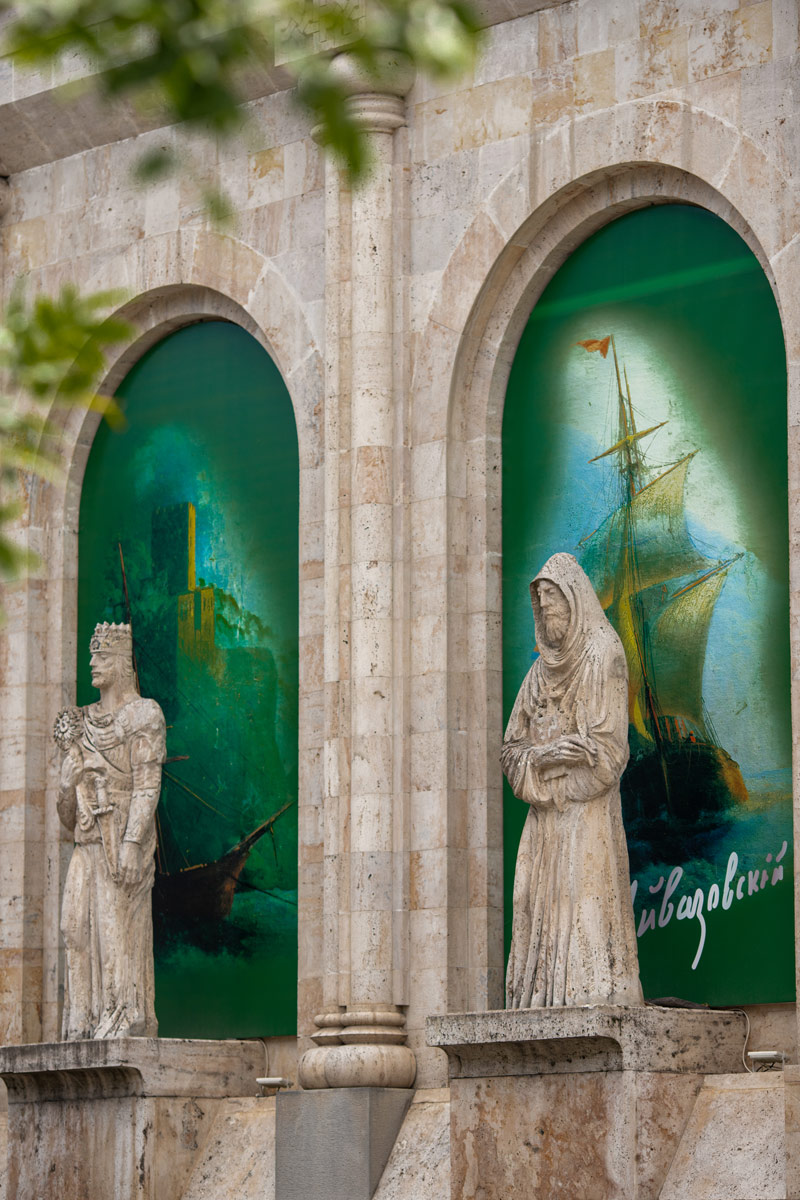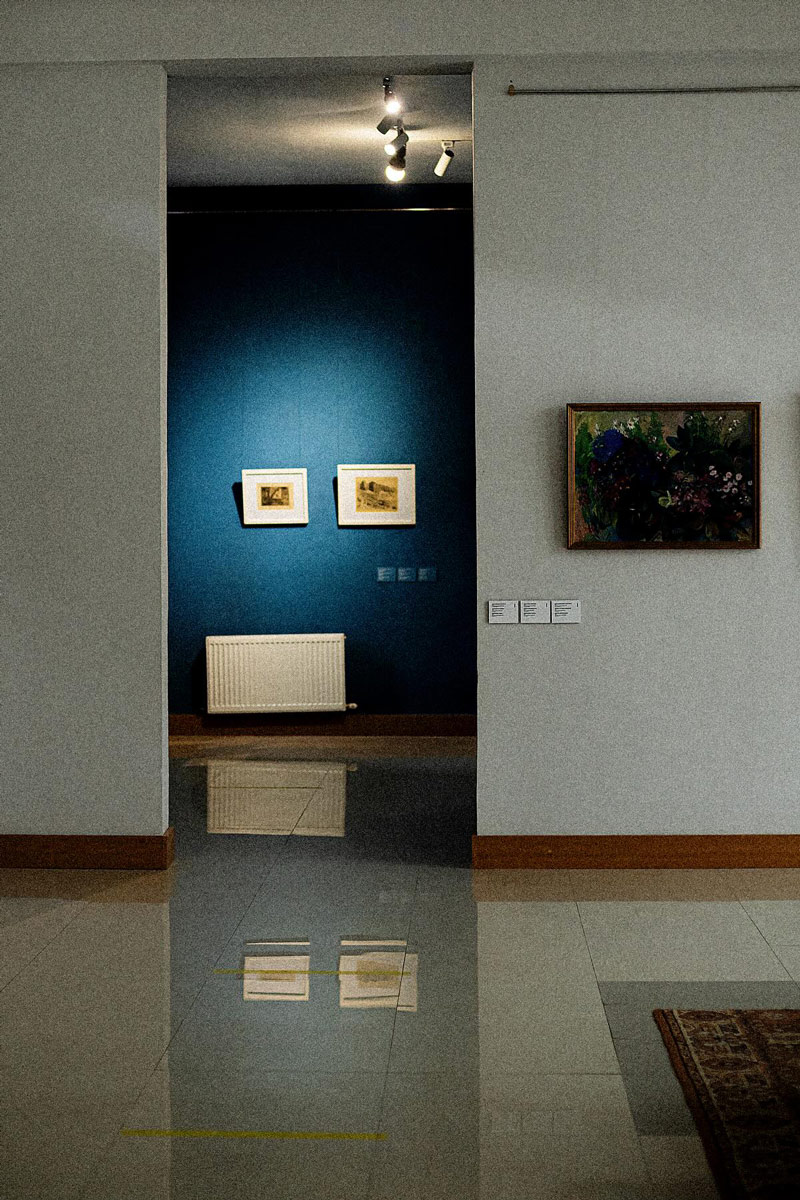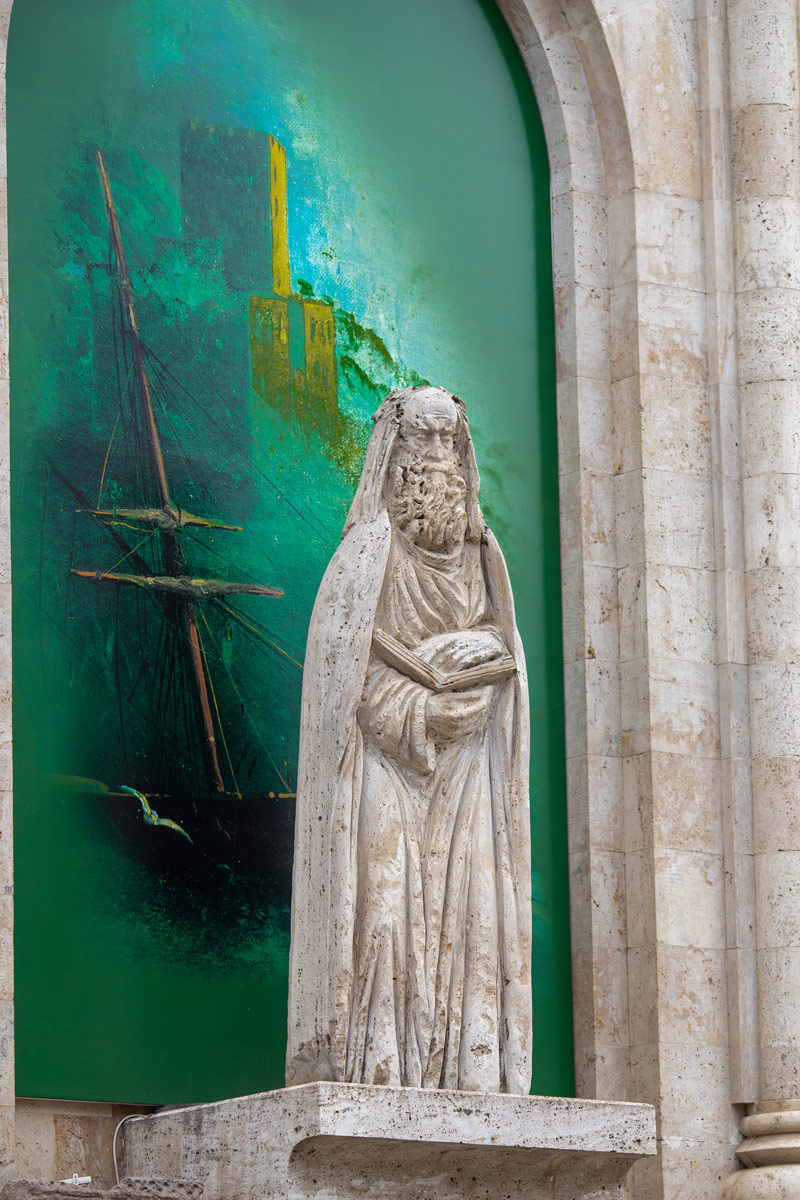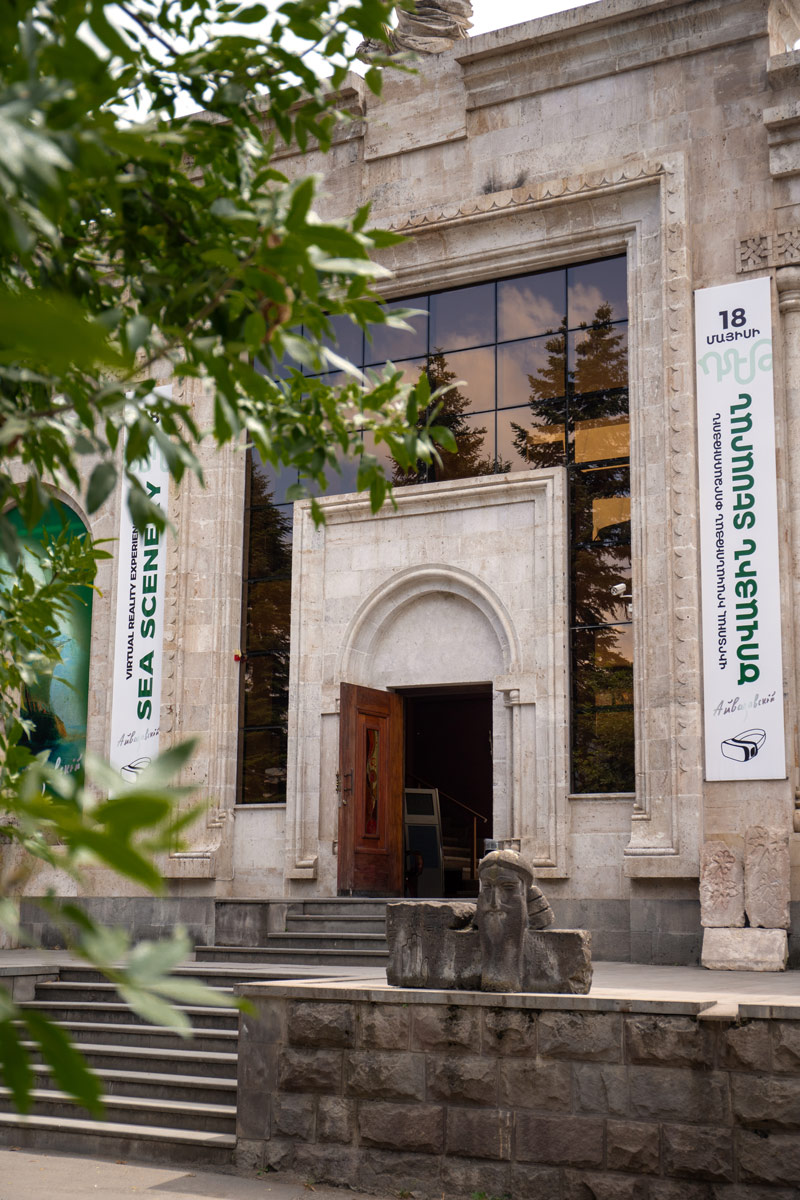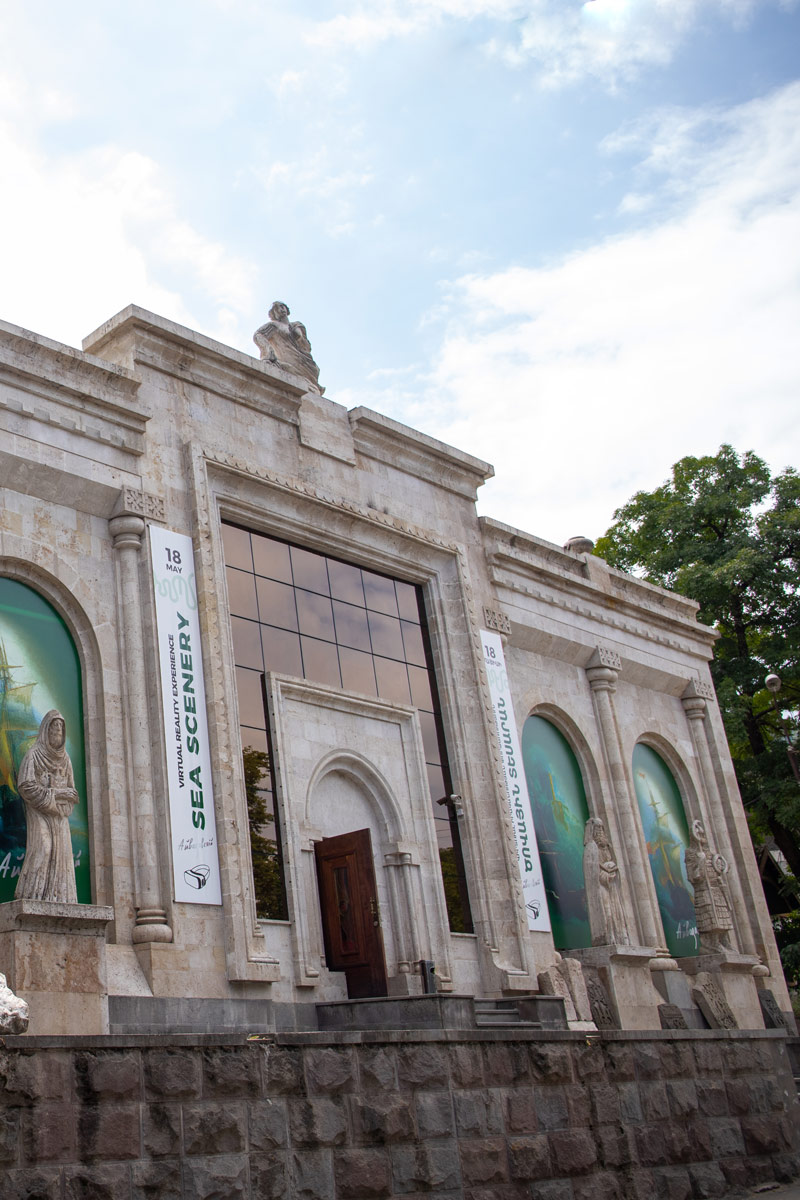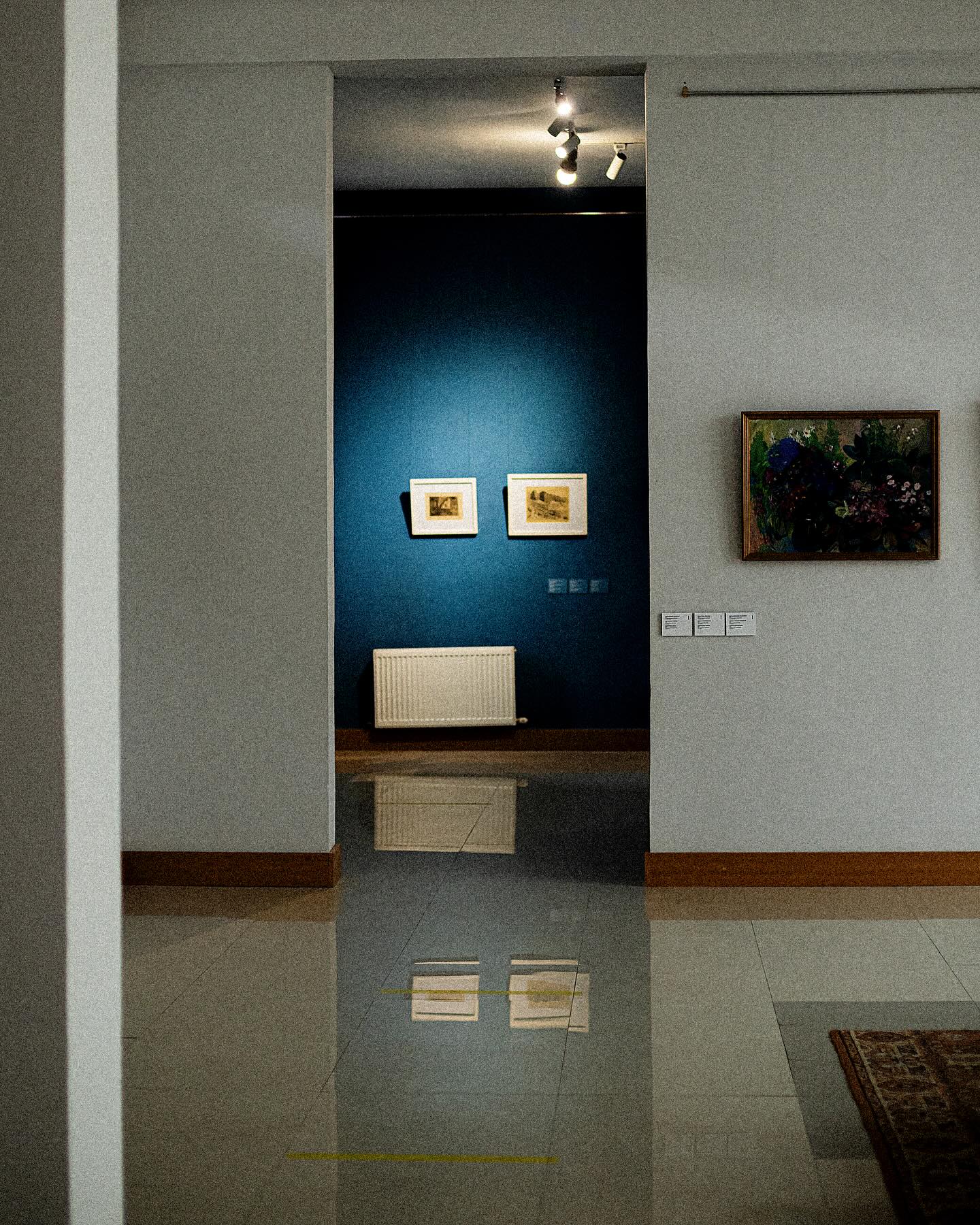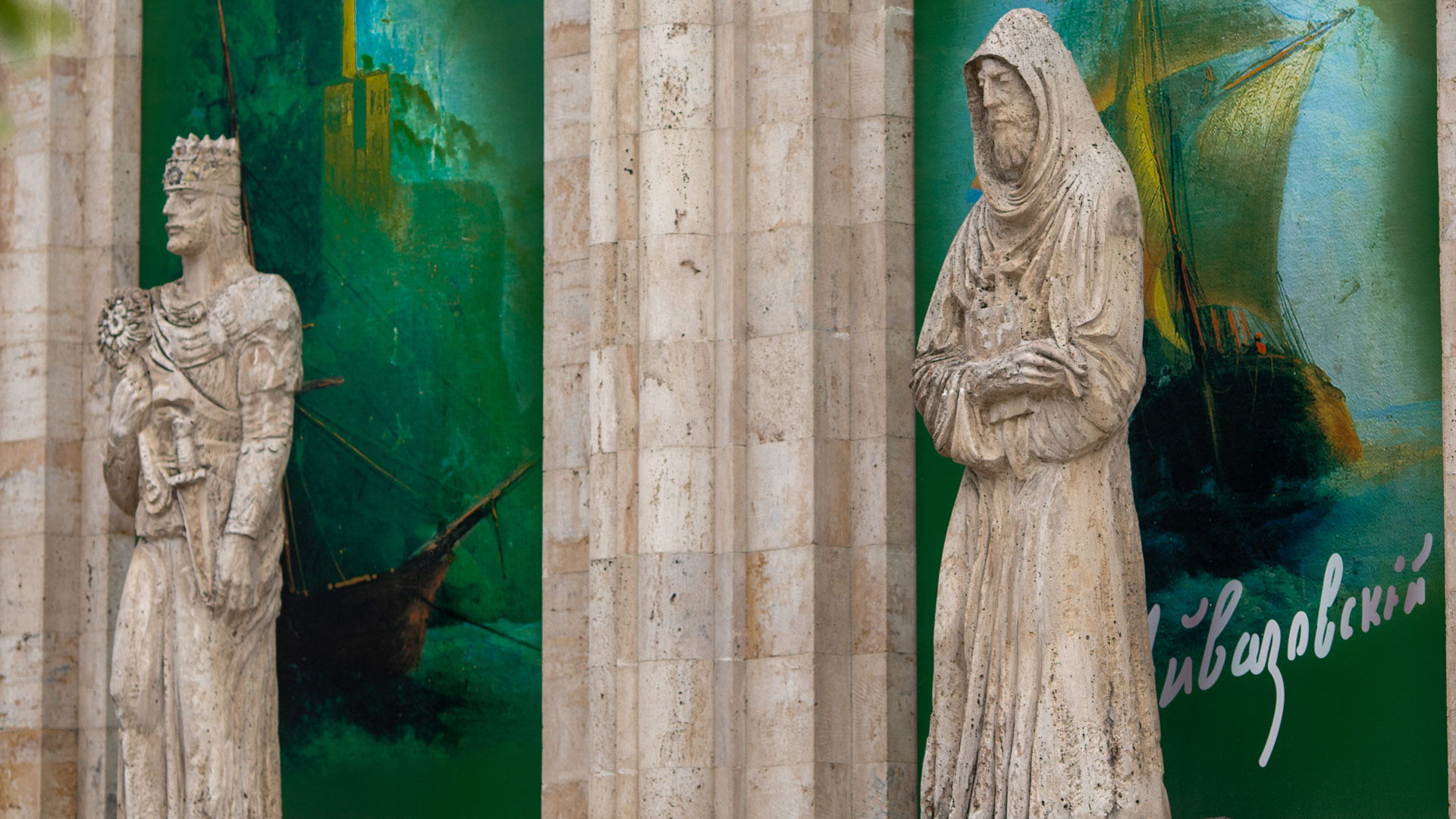
In 1920, at the initiative of Serik Davtyan, a provincial history corner was opened in the Dilijan library, which in the 50s, due to the enrichment of the collection, was officially transformed into a museum with the provision of an appropriate building and Yeghishe Hovsepyan was appointed director. The museum's gallery was created in 1958, with a great contribution to its creation by Hovhannes Sharambeyan and Boris Piotrovsky. In 2005, the old museum building was demolished and in its place by 2010, the current building was built according to the design of architect Nver Danielyan. The museum received its first visitors on April 1, 2011. The museum's exhibition consists of five sections: archeology, ethnography, numismatics, fine arts and applied arts. The archeology section is particularly interesting. Numerous archaeological objects were brought from the excavations of the Late Bronze and Early Iron Age tomb field of the “Redkin Camp”, located 6 km from Dilijan. Moreover, the museum also exhibits an ethnographic collection, including Tavush carpets, rugs, a carpet loom, items related to agricultural culture, silver belts, Dilijan furniture, etc. The exhibition also includes old photographs that represent the stages of development of the city of Dilijan and its sanatoriums. The Dilijan Local Lore Museum and Art Gallery also stores and exhibits exceptional examples of fine art. The museum’s painting collection includes works by Armenian, Russian, European and American artists. Among them are the works of Hovhannes Aivazovsky, Vardges Surenyants, Martiros Saryan and Gevorg Bashinjaghyan. Most of the paintings and sculptures belong to the direction of socialist realism. The Soviet section displays the works of the great Armenian artist Minas Avetisyan and many other famous artists. The Soviet fine arts section is also enriched by the works of famous sculptors Ara Sargsyan, Artashes Hovsepyan, Ghukas Chubaryan, Sargis Baghdasaryan and other wonderful sculptors. Among the graphic works, the works of Garzu, Edgar Shahin and Jean-Baptiste Gruez are exceptional. The museum also organizes temporary exhibitions, educational and cultural programs, including exhibitions, master classes and thematic excursions. It actively participates in local and republican events, cooperates with various museums and organizations.